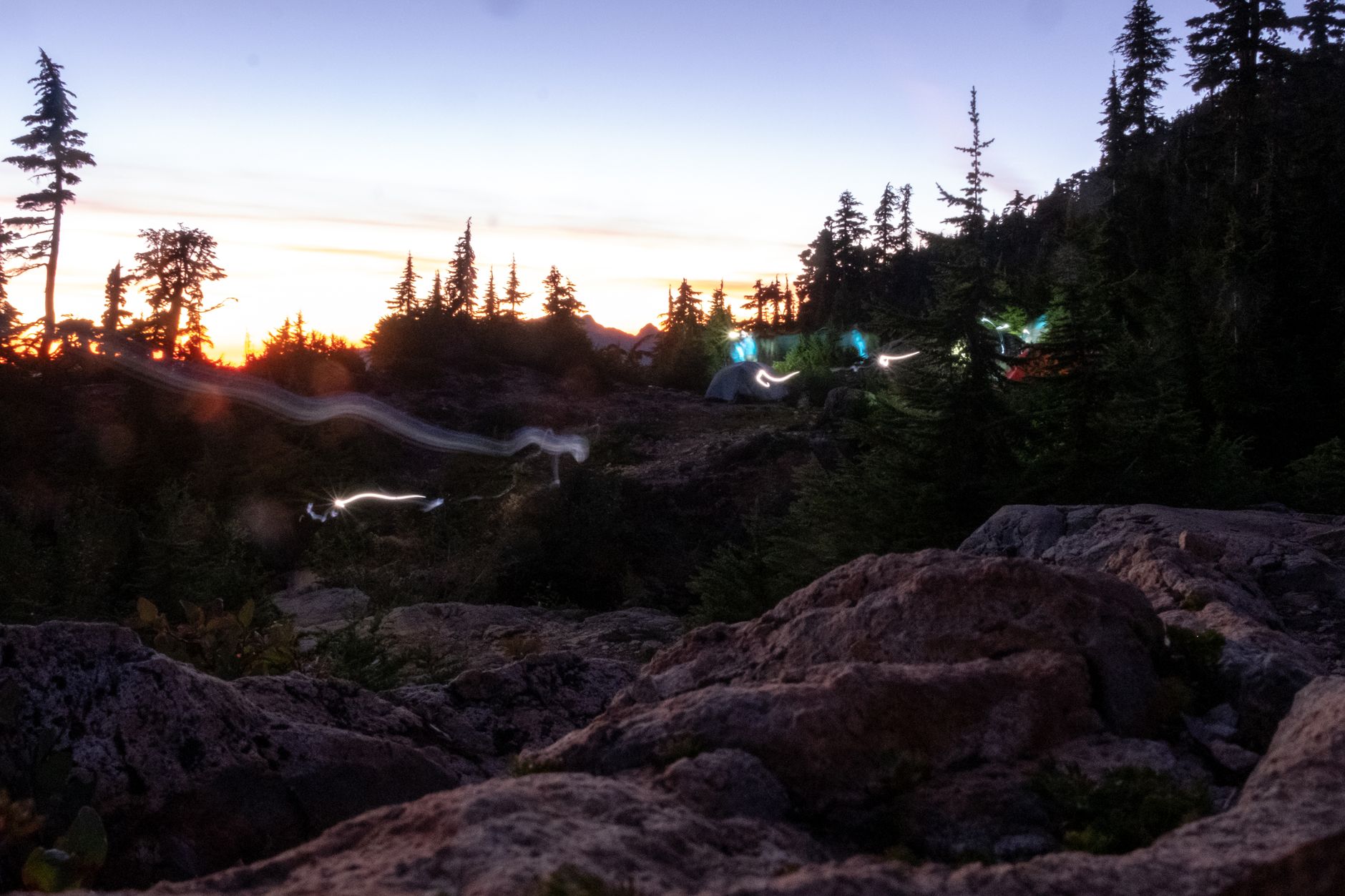
We analyzed 61 owner comments across 4 YouTube reviews of solar camp string lights. String lights solve a problem headlamps make worse: a headlamp points wherever you are looking, which means it points into the face of whoever you are talking to. Ambient light fixes the camp table, the awning and the tent vestibule in a way a beam never will. The Luci line is the solar-rechargeable version of that idea, and the honest caveat is in the name of its most common complaint: power. Grant's verdict: Excellent ambient camp light, unreliable primary light. Solar is a top-up, not a charging strategy — plan to fill it by USB and you will like these a great deal.
Who it's for
Buy this if: you want ambient light for a camp table, an awning, a van interior or a tent, you already carry a headlamp for task light, and you can top the lights up over USB rather than relying on the sun.
Skip this if: you need this to be your primary or emergency light source, or you are camping somewhere with genuinely limited sun and no way to recharge — battery and power was the number-one complaint theme in the owner comments we read.
In the field
Solar is a top-up, not a charging plan
The single most useful reframe for any solar camp light is that the panel is small, and a small panel needs a lot of direct, well-angled sun to move a battery meaningfully. In the owner comments we read across this product class, battery and power complaints outnumbered every other theme — 8 mentions against 4 for app problems and 2 each for price and noise.
That does not mean the solar is useless. It means the correct mental model is "solar keeps it topped up between trips, USB fills it before one." People who charge by USB before leaving and let the sun hold the level generally report being happy. People who expect a day on a dashboard to deliver a full night do not.
Practically: charge fully at home, lay the panel flat and unshaded during the day rather than dangling it, and treat any solar gain as bonus runtime.
Ambient versus task light
These are two different jobs and buying the wrong one for the job is the most common mistake in camp lighting. A headlamp is a task light — it puts a bright beam exactly where your eyes point, which is what you want for cooking, finding a zip, or walking. It is actively bad for sitting around a table, because it blinds everyone you look at.
String lights are the opposite: diffuse, low-intensity, and spread over a wide area. They make a space usable rather than making a point visible. That is why the honest recommendation is to own both and never expect either to cover the other's job.
This also sets the brightness expectation correctly. If you find yourself disappointed that string lights will not light a trail, the lights are not underperforming — they are being asked to do the headlamp's job.
Where the money goes
Price came up far less often than power in the owner comments we read (2 mentions against 8), which suggests people broadly accept the cost once the product does what they expected. The models with app control and colour options cost more and add the app-software complaint theme that showed up 4 times in the same comment set.
If you want the fewest failure points, the simplest model in the range is the better buy. App control on a camp light solves a problem most campers do not have, and adds a pairing step in the dark that they do not want.
Check the current price
Amazon See price →Links are Amazon affiliate links — we earn a commission if you buy, at no extra cost to you. It never changes our score.