Reviews / Tents

Six Moon Designs Lunar Solo Review (2026)

The Lunar Solo is a single-wall, trekking-pole-supported shelter that gets a one-person setup close to a pound and a half without carrying dedicated tent poles. It is one of the cheapest routes into genuinely ultralight shelter — and it asks more of the person pitching it than a freestanding tent does.

Check current price Skip to verdict
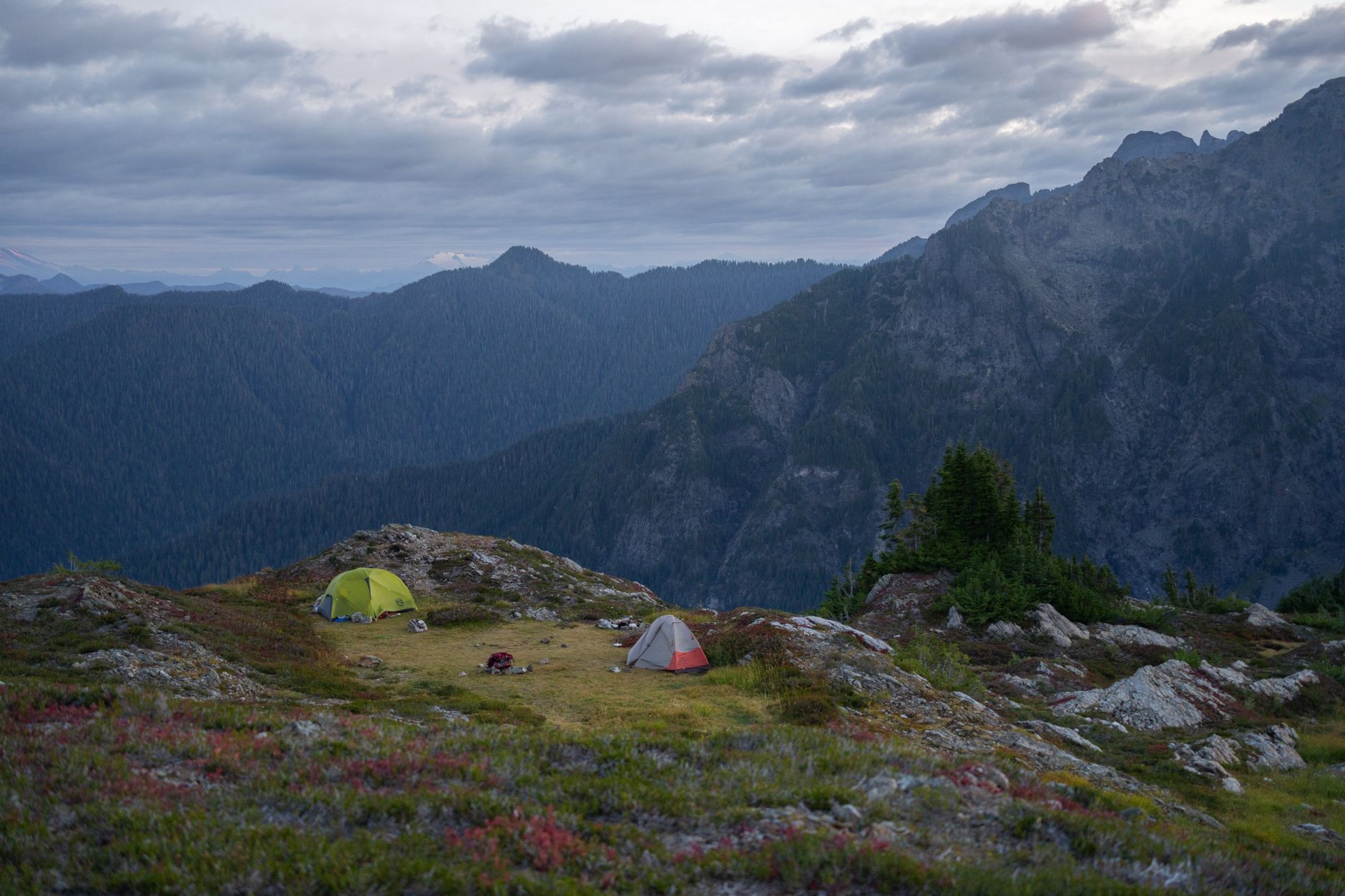
Six Moon Designs Lunar Solo — Tents review photo
Illustrative
7
Grant's score
The short version

Grant's verdict: Great weight. Manage the condensation. A legitimately ultralight one-person shelter whose single-wall design trades condensation management for weight. Site selection stops being optional. We analyzed 107 owner comments across 4 YouTube reviews (top comments, past ~2 years).

Who it's for

Buy this if: Solo hikers already using trekking poles who want to drop shelter weight substantially without paying flagship-tent prices.

Skip this if: First-time backpackers, anyone who camps mostly in humid or sheltered valley sites, and hikers who want to pitch anywhere without reading the ground first.

In practice

Condensation is the trade-off, and owners do not soften it

The most instructive comment we read on this shelter is also the least flattering: an owner reporting a year of all-season use said the condensation was “insane like sleeping in the rain with no shelter,” and noted it happened even with the shelter opened up for airflow. This is the defining property of single-wall shelters rather than a fault unique to this one. A double-wall tent puts a breathable inner between you and the surface where moisture condenses; a single-wall shelter does not, so that surface is the wall beside you. Pitch high, pitch in moving air, and leave the perimeter gap open — and accept that a still, damp valley night will still leave you wiping the wall down.

A trekking-pole shelter moves weight rather than removing it

The headline weight assumes you were already carrying trekking poles. If you were, the saving is real and large. If you were not, you are buying poles to save tent weight, and the arithmetic gets much less impressive. This is the most common way people are disappointed by ultralight shelters, and it is entirely predictable before purchase. Price and value was the largest complaint theme in the comments we read (8 mentions), and it clusters around exactly this calculation.

The competitive set has moved, and owners know it

One of the most-liked comments we read argues a sil-poly competitor is now the better buy. Silnylon absorbs some water and sags as it does, which means a mid-night re-tension after rain; sil-poly holds its pitch better. That is a genuine and current criticism worth knowing before you buy. It does not make the Lunar Solo a bad shelter — it does mean you should check what material generation you are actually ordering, because this is a category where the spec moves between runs.

What we loved
+ Close to a pound and a half for a one-person shelter, using poles you already carry+ One of the cheapest credible routes into ultralight shelter+ Large vestibule area for the weight+ 93% of scored owner comments we read were positive
What we'd change
Single-wall condensation is real and owners describe it bluntly Requires trekking poles — no poles means no weight saving Silnylon sags when wet; sil-poly competitors hold pitch better Pitching well takes practice a freestanding tent does not demand
Where to buy

Check the current price

Amazon See price →

Links are Amazon affiliate links — we earn a commission if you buy, at no extra cost to you. It never changes our score.

The verdict
7

Excellent weight for the money if you already hike with poles and will learn to pitch it properly. If you want to drop it anywhere and not think, buy a freestanding tent.

Check current price

Common questions

Does the Lunar Solo have a condensation problem?
It has the condensation behaviour every single-wall shelter has, and owners describe it directly — one reported it being severe even with the shelter opened for airflow. Pitching in moving air and away from damp low ground is the main mitigation.
Do I need trekking poles?
Yes. The shelter is supported by them. If you do not already hike with poles, factor their cost and weight into the comparison, because that is where the weight saving quietly goes.
Is silnylon or sil-poly better here?
Sil-poly holds its pitch better because it absorbs less water; silnylon sags as it wets out and may need re-tensioning overnight. Owners raise this directly when comparing against newer competitors. Check which material the current run uses before ordering.

Related reviews

NEMO Dagger OSMO 2P →Silnylon tarp guide →2026 premium tent tier list →

Methodology: We analyzed 107 owner comments across 4 YouTube reviews (top comments, past ~2 years). Sentiment ran 42 positive to 3 negative among comments our scorer could rate — 93% positive. Our gear ratings combine manufacturer specifications with aggregated owner feedback and long-term durability reports from verified buyers. We weigh value, packability, durability, and real-world reliability. Ratings are never influenced by commission rates. Specifications change between product generations — verify the current spec before buying. Last verified 2026-09-07.

Affiliate disclosure: This review contains Amazon affiliate links. If you buy through them, Gear Made Simple earns a small commission at no extra cost to you.

Get the next review first

One honest verdict a week, plus the free beginner's gear list.

Get the free gear list

The Complete Beginner's Camping Gear List

What to buy first — the exact beginner gear list, free.