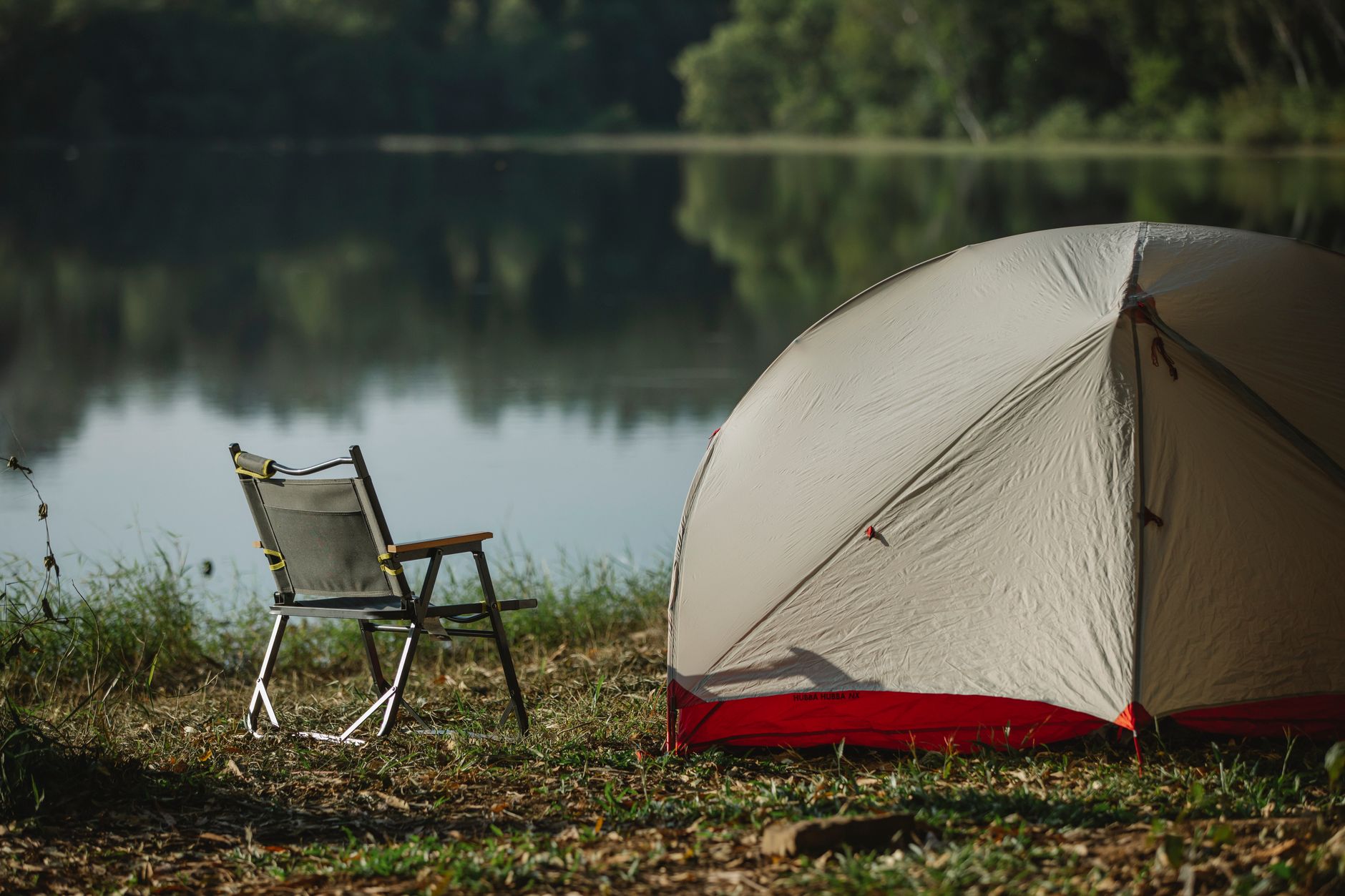
Grant's verdict: 8/10. Cold ground pulls heat out of you faster than cold air does. That is the whole problem, and 2 oz of closed-cell foam with an R-value near 2 is the whole answer. The bottom line: a camp chair weighs 16 times more and solves a different problem. Grant owns both, and takes neither, because he has not left the house.
Who it's for
Buy this if: Backpackers and anyone counting ounces who still wants to sit down at camp, and hikers who take breaks on wet or cold ground.
Skip this if: Car campers with room for a real chair, and anyone whose main complaint is back support rather than ground temperature.
In the field
The problem it actually solves
Conduction moves heat far faster than convection at the same temperature difference. Sitting directly on cold ground or a wet rock is a conductive path straight out of your body, which is why a break stops feeling restful within a few minutes. A closed-cell foam layer with an R-value near 2 breaks that path. This is the same reason a sleeping pad's R-value matters more than a sleeping bag's rating on cold ground.
Why closed-cell rather than inflatable
Closed-cell foam does not absorb water and cannot be punctured into uselessness. A sit pad spends its life being dropped on rocks, sat on with gear, and left in the wet. An inflatable would be more comfortable and would also be the thing that fails. For a two-ounce item whose entire job is reliability, the foam trade is the right one.
When to carry a chair instead
If your discomfort is about your back rather than the ground, no sit pad fixes it. Camp chairs weigh one to two pounds and provide support a foam square cannot. The honest split: if you are carrying the load on your back, take the pad; if the gear rides in a car, take the chair. Carrying both is not unreasonable on a basecamp trip.
Check the current price
Amazon See price →Links are Amazon affiliate links — we earn a commission if you buy, at no extra cost to you. It never changes our score.